Your Neck Is Keeping Score Too: What Charleston Pickleball Players Need to Know

If you’re one of the growing numbers of Charleston residents hitting the courts at Crush Yard in Mount Pleasant, Collins Park in West Ashley, Bees Ferry, James Island Pickleball, Haut Gap, or Johns Island Park, you already know how addictive pickleball gets. The games are fast, the community is tight-knit, and the courts are busy from early morning on.
What most players don’t think about is what all that overhead reaching, quick pivoting, and repetitive paddle motion is doing to the top of their spine. By the time neck pain, headaches, or that familiar ache between the shoulder blades shows up, the problem usually didn’t start last Tuesday. It started weeks ago.
Pickleball is genuinely great exercise. But it’s not as low-impact as its reputation suggests, and the upper cervical spine takes more of the load than most players realize.
Pickleball Is Exploding in Popularity. So Are Pickleball Injuries.
According to the Sports & Fitness Industry Association, 24.3 million Americans played pickleball in 2025, a 171% increase over three years. The South Atlantic region led the country in participation growth. Charleston has felt every bit of that surge.
The injuries have followed closely behind. Emergency department visits for pickleball-related injuries increased from roughly 1,300 annually in 2014 to more than 24,000 by 2023, according to data from the National Electronic Injury Surveillance System (NEISS). That’s not a small jump. And those are just the injuries serious enough to land someone in an ER. The far larger number of players quietly dealing with chronic neck soreness, recurring headaches, and shoulder tension that won’t quit never makes it into any database.
One survey of 373 pickleball players found that nearly 1 in 4 reported an injury in the past year. Most of those players kept playing anyway.
What Pickleball Actually Does to Your Neck
Here’s what’s stressing the upper cervical spine during a typical game:
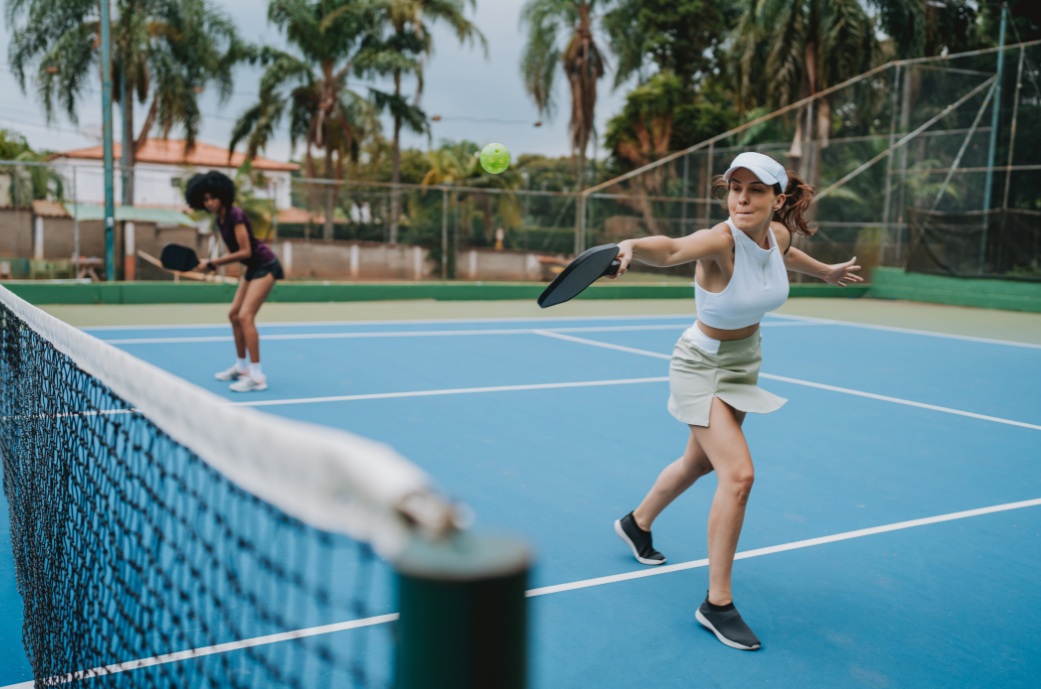
Overhead shots and serves. Every smash, serve, or high return involves extending the neck and loading the cervical spine. Repeat that a few hundred times per session and the cumulative effect adds up.
Rapid direction changes. The quick pivoting and sudden stops that make pickleball fun also create sudden loading events in the spine, triggering inflammatory responses in the neck and upper back muscles that can develop into chronic trigger points over time.
The paddle swing. The trapezius and large upper back muscles that power the swing attach into the neck and base of skull. When they get overworked, that tension travels upward and can show up as stiffness, headaches, or shoulder pain.
Falls. Falls account for 65% of all pickleball injuries in NEISS data. Even a minor stumble that doesn’t cause a fracture can jar the upper cervical spine in ways that take weeks to surface as symptoms.
The Cervical Spine Factor
Most conversations about pickleball injuries stay at the muscle level: strain, soreness, maybe a pinched nerve. What gets less attention is the potential role of the atlas and axis, the top two vertebrae, in how symptoms develop and persist.
For some players, dysfunction in this area may contribute to neck pain, headaches, or referred symptoms, particularly following repetitive overhead stress or a fall. The symptoms don’t always look like a neck problem either. Some cases of shoulder pain in overhead athletes have been associated with cervical radiculopathy. Recurring headaches after a session, tingling down the arm, or a dull ache that’s hard to localize can all be worth evaluating from a cervical spine perspective.
Can Neck Stiffness Affect How You Play?
Pain isn’t the only reason to pay attention to your neck on the court. Comfortable neck mobility plays a practical role in how well you play.
Tracking the ball, scanning the kitchen line, and reacting quickly all depend on your neck rotating freely. If stiffness or low-grade discomfort is limiting those movements, you might be compensating without realizing it, turning from the shoulders instead of the neck, hesitating before a pivot, or favoring one side.
Who Feels It Most
The data is consistent across multiple studies: players over 50 bear a disproportionate share of pickleball injuries. A 10-year national study found that 91% of pickleball injuries occurred in players 50 and older, with players over 65 experiencing injury rates 2.5 times higher than those under 55.
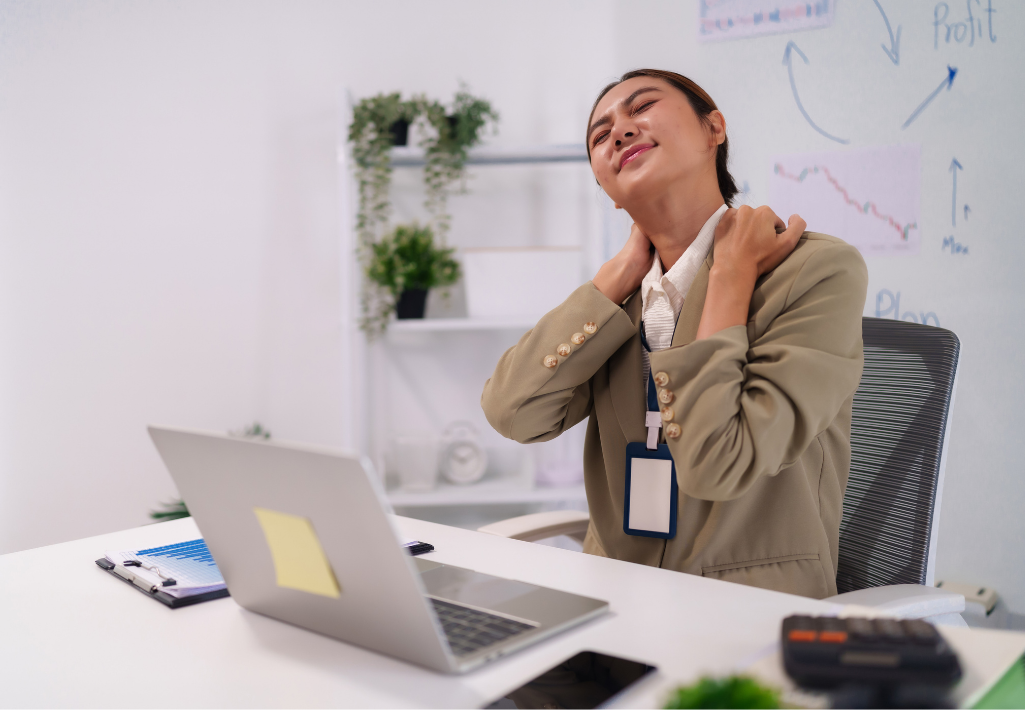
That said, the sport’s demographics are shifting. The average age of a pickleball player has dropped to 35, with players in the 25-34 age bracket now the largest single group nationally. Younger players at Crush Yard or Collins Park aren’t immune, especially those coming to pickleball from desk jobs with pre-existing neck tension they haven’t addressed.
What Upper Cervical Care Can Do
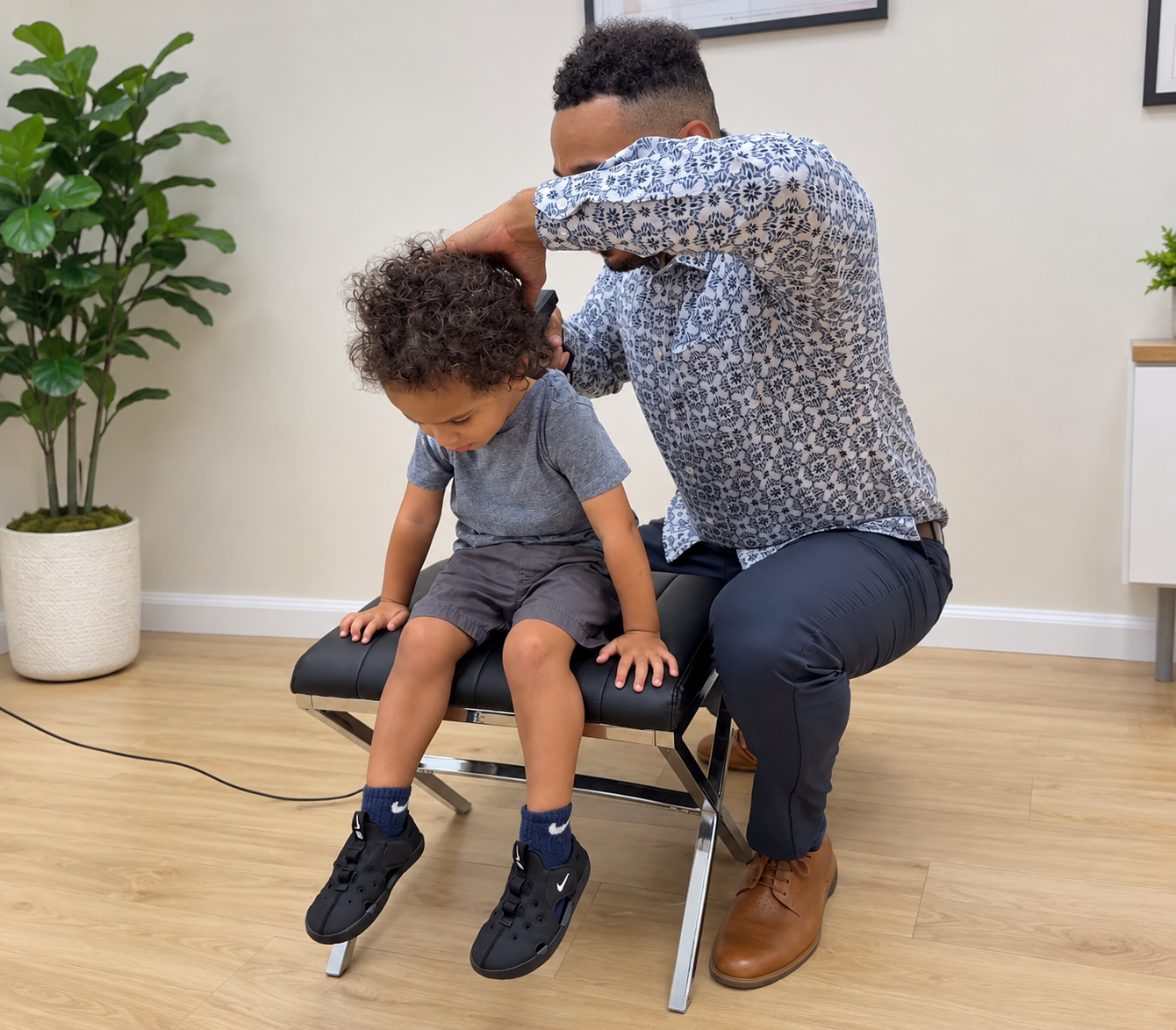
Upper cervical chiropractic care focuses specifically on the atlas and axis, using precise, gentle corrections rather than the broad spinal manipulation most people associate with chiropractic. There’s no cracking, no twisting, and no force applied to areas that don’t need it.
The starting point is always a detailed evaluation to determine whether the upper cervical spine is contributing to a patient’s symptoms. When it is, addressing that area may help restore comfortable neck range of motion, reduce the compensatory muscle tension that builds up around a problem, and support faster recovery between sessions.
For players who have been managing recurring headaches, shoulder tension, or arm symptoms without lasting relief, an evaluation can help clarify whether the cervical spine is playing a role and what makes sense from there.
A Few Habits Worth Building In
Warm up your neck before play. Gentle neck rotations, chin tucks, and shoulder rolls take two minutes and matter more than most players realize.
Stretch after play. Muscles that tightened during overhead activity will set in overnight if you skip it.
Watch your head position at the kitchen line. The dinking game involves a lot of looking down. Keep your head as neutral as you can rather than craning forward.
Don’t ignore recurring symptoms. Neck stiffness or headaches that show up regularly after play are worth getting looked at, not managed with ibuprofen indefinitely.
You Don’t Have to Choose Between the Game and Your Neck
At Thrive Spinal Care in West Ashley, we work with a lot of active people who want to keep doing what they love without paying for it in chronic pain. Pickleball is a sport worth staying in, and with a well-functioning upper cervical spine, most players can do exactly that.
If you’re dealing with recurring neck stiffness, headaches, dizziness, or shoulder discomfort after pickleball, an evaluation can help identify what’s contributing. Dr. Hoff offers complimentary consultations. If something has been nagging at you on or off the court, that’s a reasonable place to start.
Your serve, your smash, and your neck will thank you. Schedule today.